

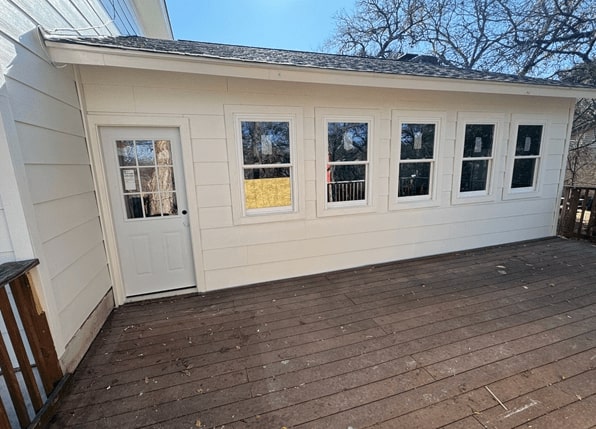
Austin homeowners often plan exterior improvements around their schedules, budgets, and preferred seasons. However, weather can influence when outdoor work can safely and effectively move forward. A siding installation in Austin, Texas, project involves removing existing materials, preparing exterior surfaces, positioning new panels, sealing exposed areas, and completing finishing work. Because much of this process takes place outdoors, certain weather conditions may require a schedule adjustment.
Table of Contents
- Why Weather Matters During Siding Installation
- 1. Heavy Rain Can Interrupt Exterior Work
- 2. Strong Winds Can Create Safety and Handling Problems
- 3. Extreme Heat Can Slow Down the Work
- 4. High Humidity Can Affect Moisture Management
- 5. Thunderstorms Can Cause Sudden Schedule Changes
- 6. Sudden Temperature Changes Can Influence Material Performance
- 7. Weather Can Affect the Preparation Stage Too
- Choosing Materials With Austin’s Weather in Mind
- How Homeowners Can Prepare for Weather-Related Delays
- What a Weather-Responsive Installation Plan Looks Like
- When Should a Homeowner Reschedule?
- Frequently Asked Questions
- 1. Can rain delay a siding project?
- 2. Does extreme heat stop siding installation?
- 3. How does wind affect siding installation?
- 4. Can humidity affect new siding?
- 5. Will a weather delay increase the total project time?
- 6. What should homeowners ask a contractor about weather delays?
- 7. Can weather affect a home siding replacement project?
- Frequently Asked Questions
- Conclusion
Understanding how heat, rain, wind, humidity, and sudden temperature changes affect exterior work can help homeowners set realistic expectations. A short weather-related delay is often preferable to rushing an installation under unsuitable conditions and potentially affecting workmanship, material performance, or site safety.
Why Weather Matters During Siding Installation
Siding is more than a decorative layer. It forms an important part of a home’s exterior envelope, helping protect wall assemblies from moisture, sunlight, wind, and changing outdoor conditions.
During installation, portions of the exterior may temporarily be exposed. Workers also need suitable conditions for measuring, cutting, fastening, caulking, painting, and completing other installation details. Excessive moisture or unstable weather can make some of these tasks more difficult.
A professional project plan should therefore consider both the expected duration of the work and the weather forecast. Working with a siding contractor Austin, TX, homeowners can rely on also helps build reasonable flexibility into the schedule instead of treating the original completion date as immovable.
1. Heavy Rain Can Interrupt Exterior Work
Rain is one of the most obvious causes of installation delays. Wet conditions can make exterior surfaces difficult to work with and may create additional concerns when sections of a wall are temporarily exposed.
Persistent rainfall can also affect preparation work. Before new siding is installed, the underlying area needs to be assessed and prepared appropriately. If moisture is present where it should not be, proceeding immediately may create unnecessary complications.
For this reason, homeowners should choose a siding installation company in Austin, Texas, that evaluates current site conditions rather than relying only on the calendar.
A brief shower may not have the same effect as several hours of steady rain. The duration, intensity, moisture levels, and condition of the work area all matter.
2. Strong Winds Can Create Safety and Handling Problems
Wind is another important consideration for exterior projects. Large siding panels and other construction materials can be difficult to handle when gusts become strong.
Wind can affect more than worker safety during siding installation in Austin, TX. Strong gusts may make accurate positioning and fastening more difficult, particularly when materials need to be held in place while being secured. Loose panels and other materials can also become hazards around the property, making proper weather assessment essential.
When strong winds are forecast, postponing certain stages of the project can provide a safer working environment and help maintain installation accuracy.
Why Wind Conditions Should Be Monitored
Wind does not always arrive with a major storm. Gusty conditions can develop quickly, particularly around weather fronts and thunderstorms. A contractor may therefore monitor changing conditions throughout the workday instead of making a decision based only on the morning forecast.
Homeowners should expect a responsible contractor to prioritize safe working conditions rather than attempting to maintain a schedule at any cost.
3. Extreme Heat Can Slow Down the Work
Austin’s hot weather can create another challenge for exterior construction. High temperatures can increase physical strain on workers and make certain parts of an outdoor project less comfortable and efficient.
Heat can also affect some installation materials and finishing products. Depending on the specific siding system and manufacturer requirements, temperature conditions may influence how sealants, coatings, or other products should be handled.
A carefully planned residential siding installation should account for temperature, available shade, working hours, and manufacturer recommendations.
Rather than assuming every hot day will stop a project, homeowners should understand that extreme heat may change the pace or timing of particular tasks.
4. High Humidity Can Affect Moisture Management
Humidity is another factor that deserves attention. Warm, humid conditions can slow drying and make moisture management more important during exterior work.
This becomes particularly relevant when a project involves products that require specific drying or curing conditions. Caulks, coatings, primers, and other materials may have manufacturer instructions relating to temperature and moisture.
A qualified siding contractor in Austin, TX, homeowners work with should follow the product manufacturer’s installation requirements rather than using a one-size-fits-all approach.
Good planning also involves checking whether the exterior surface is sufficiently dry before proceeding with tasks where moisture could interfere with the expected result.
5. Thunderstorms Can Cause Sudden Schedule Changes
Austin weather can change quickly, and thunderstorms can introduce several issues at once, including heavy rain, lightning, strong wind, and rapidly changing site conditions.
Even when a storm is relatively short, the resulting moisture can affect the remainder of the workday. A contractor may need additional time to assess whether surfaces have dried sufficiently before continuing.
Lightning also creates a direct safety concern for people working outdoors. In these circumstances, stopping work is a sensible precaution.
Homeowners should therefore understand that a weather-related schedule change does not necessarily mean the project is poorly planned. Sometimes it reflects an appropriate response to conditions that were not suitable for safe exterior work.
6. Sudden Temperature Changes Can Influence Material Performance
Temperature does not have to be extremely hot or cold to affect an exterior project. Rapid changes can cause construction materials to expand and contract.
Older siding can already show signs of deterioration from repeated exposure to changing conditions. Cracking, warping, fading, and moisture-related problems are among the issues homeowners may consider when evaluating whether replacement is appropriate.
For a new project, installers need to account for the characteristics of the selected siding system and follow applicable manufacturer specifications. This is especially important when working with materials designed for long-term exterior exposure.
7. Weather Can Affect the Preparation Stage Too
Weather delays do not only happen after installation begins. They can affect the preparation stage as well.
Before new siding goes onto a home, the existing exterior may need to be removed and the underlying surfaces evaluated. Accurate measurements and project planning are also important. The referenced service information identifies fibre cement, and detailed measurements are used to establish the scope and help plan the project accurately.
If rain or other unfavorable conditions interfere with these preliminary activities, the installation schedule may shift before the first new panel is installed.
This is one reason homeowners should avoid judging a project solely by the number of days originally estimated.
Choosing Materials With Austin’s Weather in Mind
Weather considerations should also influence material selection. Homeowners have access to several siding options, and each material has its own characteristics, maintenance requirements, appearance, and installation considerations.
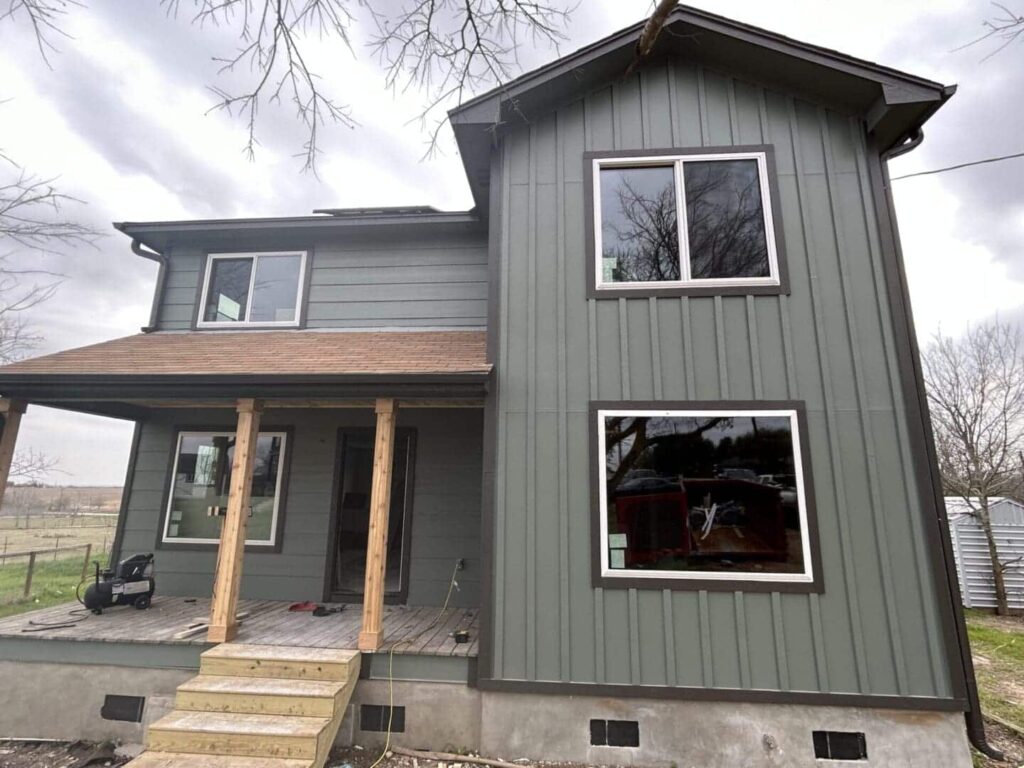
The referenced service information identifies fibre cement as a popular choice for Central Texas homes because of its durability and weather resistance. James Hardie fibre cement siding is one option homeowners may consider when durability and resistance to changing outdoor conditions are priorities.
The material should still be installed according to applicable product specifications. Choosing a durable siding product does not eliminate the need for appropriate installation conditions.
How Homeowners Can Prepare for Weather-Related Delays
A little preparation can make a weather-related change much easier to manage.
Check the Forecast Before Work Begins
Homeowners should review the forecast for the entire expected installation window rather than focusing on a single day. Conditions can change, so flexibility is useful.
Protect Outdoor Items
Move furniture, decorations, planters, and other loose items away from the work area. This can help crews access exterior walls more efficiently and reduce the risk of property damage during windy conditions.
Discuss the Schedule in Advance
Ask the contractor how weather delays are handled during home siding replacement. Find out whether work may shift by several hours, move to another day, or require additional drying time.
Ask About Material Requirements
Different siding systems and installation products may have specific requirements for temperature, moisture levels, and curing conditions. Genuine Texas Exteriors can assess these factors when planning exterior projects, helping homeowners understand why certain weather conditions can affect project timing and why allowing adequate drying or curing time is important for a properly completed exterior.
Allow Some Flexibility
A realistic schedule should leave room for weather. If the project is planned too tightly around a specific completion date, even a short weather event can create unnecessary pressure.
What a Weather-Responsive Installation Plan Looks Like
A practical installation plan should account for more than the estimated number of workdays. It should consider the home’s size, siding material, preparation requirements, access to exterior walls, crew availability, and expected weather.
For example, a contractor may begin with areas that can be completed safely while monitoring a forecasted weather system. If conditions deteriorate, work may pause and resume once the site is suitable again.
This approach can help protect the quality of the finished exterior while keeping homeowners informed about schedule changes.
For Austin homeowners comparing a siding installation company in Austin, Texas, it can be useful to ask how the company handles weather interruptions, material requirements, site protection, and schedule updates before work begins.
When Should a Homeowner Reschedule?
Not every change in weather requires an entire project to stop. The appropriate response depends on the severity and duration of the conditions, the installation stage, the material being used, and manufacturer requirements. Genuine Texas Exteriors can assess these factors when planning exterior work. Postponement may be appropriate when conditions create safety concerns, excessive moisture, strong winds, lightning, or unsuitable temperatures for specific products. A responsible decision should be based on actual site conditions rather than pressure to meet an arbitrary deadline.
Frequently Asked Questions
1. Can rain delay a siding project?
Yes. Heavy or persistent rain can interfere with exterior preparation, material handling, and tasks that require dry surfaces. The actual impact depends on the amount of rainfall and the stage of the project.
2. Does extreme heat stop siding installation?
Not necessarily. Work may still be possible during hot weather, but extreme temperatures can affect worker safety, productivity, and the handling or curing requirements of certain products. Contractors may adjust working hours or the sequence of tasks.
3. How does wind affect siding installation?
Strong winds can make large panels and other materials harder to handle and can create safety risks. In severe conditions, outdoor work may need to pause until wind speeds become more suitable.
4. Can humidity affect new siding?
Humidity can influence drying and curing times for certain products used during installation. Contractors should follow manufacturer requirements for sealants, coatings, and other materials rather than relying on general assumptions.
5. Will a weather delay increase the total project time?
It can. The effect depends on how long unfavorable conditions last and whether the delayed work can be moved to another part of the schedule. A short interruption may have little effect, while repeated storms can extend the completion date.
6. What should homeowners ask a contractor about weather delays?
Ask how the contractor monitors weather, when work will be paused, how materials and exposed areas will be protected, and how schedule changes will be communicated. Clear expectations can prevent confusion during the project.
7. Can weather affect a home siding replacement project?
Yes. Weather can influence removal, surface preparation, material installation, sealing, finishing, and drying. Planning around suitable conditions can help maintain the quality and longevity of the completed exterior.
Conclusion
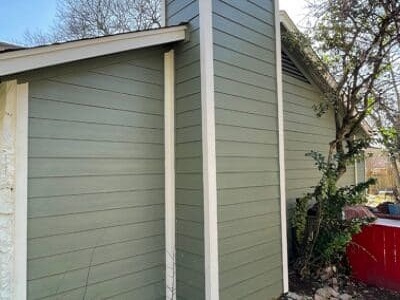
Austin’s changing weather can affect exterior project schedules, making flexibility an important part of planning. Heat, rain, wind, and humidity may require temporary pauses to protect workers and materials. Successful siding installation in Austin, Texas, also depends on proper preparation, accurate measurements, suitable materials, and careful workmanship for a durable, attractive result.
For local siding project guidance and directions, visit the location to explore siding options and discuss your project requirements.