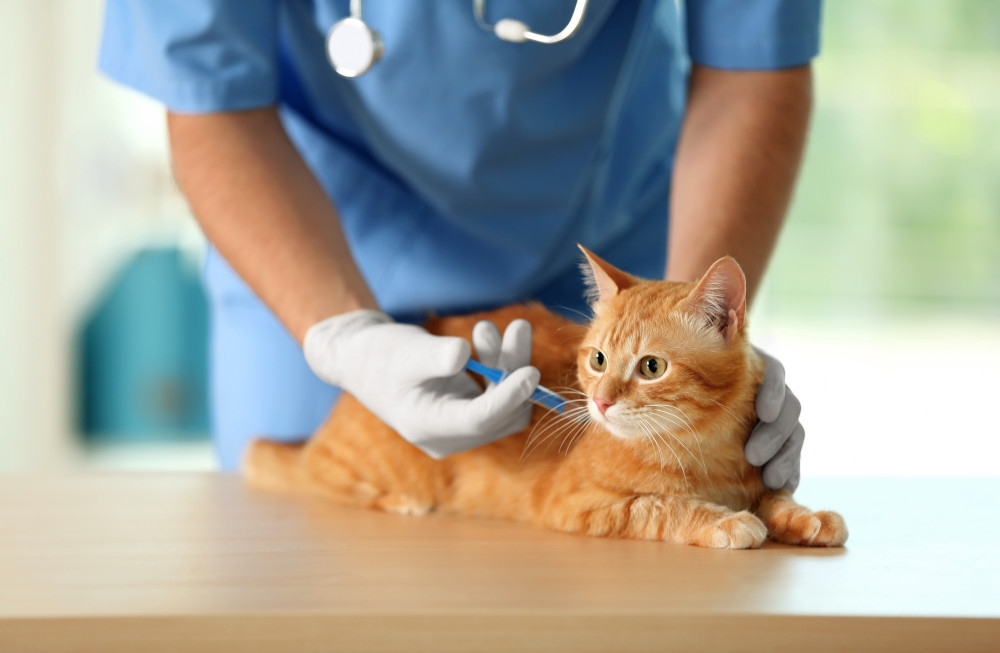
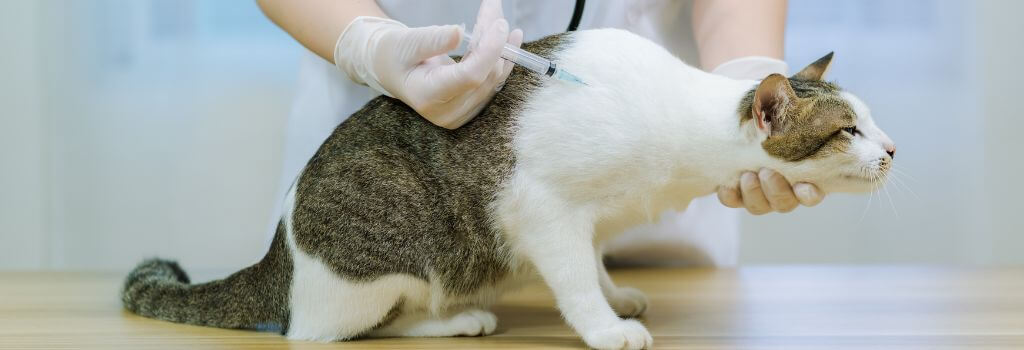
My Cat Had a Vaccine Reaction in Encino: What Should I Do
You just got home from your cat’s vaccine appointment. Everything seemed fine at the clinic. The vet said it went well. You put the carrier down, let your cat out, and started getting on with your day. Then something feels off. Your cat is hiding more than usual. Their face looks puffy. They vomited once. Or they are just unusually quiet and limp in a way that does not feel like normal post-vet tiredness.
This is the moment most cat owners feel completely unprepared for. Nobody told them what a vaccine reaction actually looks like. Nobody said what is normal and what is not. And now they are standing in their kitchen trying to decide whether to call the vet, wait it out, or head straight back to the clinic.
The honest answer is that most reactions to vaccines in cats are mild and resolve on their own within 24 hours. But some are not, and knowing the difference matters. For cat owners in Encino who have just been through this or who want to be prepared before it ever happens, this guide covers everything you need to know.
If your cat is showing serious symptoms right now and you need advice on cat vaccination care in Encino, call your vet immediately before reading further.
What a Normal Post-Vaccine Response Looks Like
Before getting into reactions, it helps to know what normal looks like after a vaccine. This is the part most owners do not get told clearly enough at the end of the appointment, and it is why mild but expected responses end up causing unnecessary alarm.
A cat that has just been vaccinated may be quieter than usual for the rest of the day. They may sleep more. They may eat less at their next mealtime. The injection site may be slightly sore, which can show up as a cat flinching or moving away when that area is touched. These responses are the immune system doing exactly what it is supposed to do. They are signs the vaccine is working, not signs that something has gone wrong.
These normal responses typically resolve within 24 to 48 hours without any intervention. If your cat is eating and drinking normally by the following morning, even if they are a little subdued, that is a good sign. Keep an eye on them but do not panic.
The Signs That Mean Something More Is Happening
The reactions worth taking seriously fall into two broad categories. The first is a localized reaction at the injection site. The second is a systemic reaction that affects the whole body.
A localized reaction at the injection site can include a small, firm lump that appears within a few days of the vaccine. In most cases, this is normal swelling from the immune response and resolves on its own within a few weeks. What is not normal is a lump that is growing rather than shrinking, one that is still present two months after the vaccine, or one that appears to be causing pain, discharge, or skin changes around it. Any lump that persists beyond four weeks should be assessed by a vet. In cats specifically, there is a rare but serious condition called feline injection site sarcoma that makes persistent lumps at vaccine sites worth taking seriously rather than dismissing.
A systemic reaction is the more immediately concerning type and the one that requires faster action. These reactions occur when the immune system responds more strongly than expected to the vaccine, triggering effects that go beyond the injection site.
Signs of a systemic vaccine reaction in cats include:
Facial swelling, particularly around the eyes and muzzle
Hives or raised, bumpy patches under the skin
Vomiting or diarrhea in the hours after the vaccine
Difficulty breathing or open-mouth breathing
Extreme lethargy that goes beyond normal post-vaccine tiredness
Pale or white gums
Collapse or loss of consciousness
A mild systemic reaction, such as a single episode of vomiting with no other symptoms, may resolve on its own but is worth a phone call to your vet to discuss. A severe systemic reaction involving breathing difficulty, pale gums, facial swelling, or collapse is a genuine emergency that requires immediate veterinary attention. Do not wait to see if it improves.
When to Call the Vet and When to Go Immediately
This is the question most owners are trying to answer when they are standing in the kitchen watching their cat and not quite sure what to do. Here is a clear breakdown.
Call your vet and describe what you are seeing if your cat has a single episode of vomiting with no other symptoms, seems more lethargic than usual but is still responsive and comfortable, has mild soreness at the injection site, or has a small lump at the injection site that appeared within the first few days. These situations benefit from a professional opinion but do not always require an immediate visit.
Go to a vet immediately without waiting if your cat has facial swelling or hives, is breathing with difficulty or open-mouth breathing, has vomited more than once or has diarrhea alongside other symptoms, has pale or white gums, has collapsed or is unresponsive, or seems to be in genuine distress rather than just tired.
The window between a mild systemic reaction and a severe one can narrow quickly in cats. If you are unsure which category your cat falls into, a phone call to your vet takes 60 seconds and gives you a clear direction from someone qualified to help you make the call.
What Happens at the Vet After a Reaction
If your cat needs to be seen after a vaccine reaction, knowing what the visit involves helps you move through it more calmly.
For mild reactions, the vet will examine your cat and may administer an antihistamine injection to reduce immune system activity. Cats with mild reactions are often monitored for 30 to 60 minutes before being discharged. You may be sent home with oral medications to continue the antihistamine effect over the next 24 to 48 hours.
For severe reactions, treatment moves faster. Anaphylaxis, the most serious type of allergic reaction, is treated with epinephrine, intravenous fluids, and oxygen support. This is why staying near the clinic for 15 to 20 minutes after any vaccine appointment, particularly the first time a cat receives a specific vaccine, is a sensible precaution. Most severe reactions occur within the first hour after the vaccine is given.
What Happens at Future Vaccine Appointments
A vaccine reaction does not automatically mean your cat can never be vaccinated again. What it does mean is that future vaccine appointments need to be approached differently.
Tell your vet about the reaction at the next visit and be as specific as possible about what symptoms occurred and how quickly they appeared. This information helps the vet decide whether to premedicate before future vaccines, which vaccines to separate into different visits rather than giving together, whether titer testing is a better option than automatic boosters for certain vaccines, and in rare cases whether a specific vaccine should be avoided altogether.
A good cat vaccination clinic in Encino treats a prior reaction as a meaningful piece of medical history that changes the approach rather than a reason to either stop vaccinating entirely or proceed exactly as before. The goal is to maintain appropriate protection while managing the individual cat’s specific risk profile.
How to Reduce the Risk of a Reaction at Future Visits
There are practical steps cat owners can take to reduce the likelihood of a reaction at future vaccine appointments.
Scheduling the appointment for a time when you can stay near the clinic for at least 30 minutes afterward is the most straightforward precaution. This is particularly important after any change to the vaccine protocol, such as switching brands or adding a new vaccine that the cat has not received before.
Asking your vet to separate multiple vaccines into different visits reduces the total immune challenge at any one appointment. Giving all due vaccines at the same visit is convenient, but for a cat with a prior reaction history, spreading them out is worth the extra appointment.
Mentioning the prior reaction every time you visit a new clinic or see a different vet within the same practice ensures the information is in front of the person making vaccine decisions rather than buried in the records. Do not assume it will be picked up automatically.
Encino Pet Hospital and Emergency offers cat vaccination in Encino with individualized schedules, fear-free handling, and a team that welcomes the conversation about prior reactions before any vaccine is given. Open seven days a week including holidays.
Call (818) 922-2209 or visit our website to book your cat’s next appointment.
How soon after a vaccine does a reaction typically appear in cats?
Most reactions appear within the first one to two hours. Severe reactions like anaphylaxis typically occur within 30 minutes. Mild localized reactions at the injection site may develop over the first few days.
Is my cat more likely to have a reaction to certain vaccines?
Yes. The rabies vaccine and the FeLV vaccine have a slightly higher rate of reactions than other core vaccines. Cats who have had prior reactions to a specific vaccine are at higher risk of reacting again to the same one.
Can I give my cat an antihistamine at home before going to the vet after a reaction?
Do not give any medication without speaking to your vet first. Some antihistamines safe for humans are toxic to cats. Call the clinic and follow their specific guidance before administering anything at home.
Does a vaccine reaction mean my cat has a weak immune system?
Not necessarily. Vaccine reactions are an overresponse rather than an underresponse from the immune system. They can occur in otherwise healthy cats and are not generally a sign of underlying immune deficiency.
Should I avoid a specific vaccine brand after my cat has a reaction?
This is a conversation worth having with your vet specifically. In some cases, switching brands produces a different response. In others the reaction is to a component shared across brands. Your vet can advise based on the specific vaccine involved and the nature of the reaction.
Reactions Are Rare but Worth Knowing About
The vast majority of cats receive their vaccines without any meaningful reaction beyond a quiet afternoon. But for the small percentage who do react, knowing what to watch for and what to do makes the experience considerably less frightening and considerably safer.
If your cat has had a reaction to a vaccine in Encino, or if you want to discuss a more individualized approach to your cat’s vaccine schedule before the next appointment, finding a practice that takes that history seriously and adjusts the approach accordingly is the right next step.