


Edmonton homeowners have increasingly turned to solar panels not just as a way to reduce energy bills but also to enhance the value of their properties. The benefits of solar energy extend beyond financial savings, encompassing environmental sustainability and increased home resale value. This comprehensive guide explores how installing solar can maximize your home’s value solar panel company in Edmonton, covering everything from financial considerations to environmental impact and maintenance tips.
Table of Contents
- Understanding the Benefits of Solar Panels
- Is Solar Right for Your Home?
- Financial Considerations
- Choosing the Right Solar Panels
- Maximizing Energy Efficiency
- Incorporating Solar with Home Energy Audits
- Conclusion
- Frequently Asked Questions
- How much do solar panels typically increase home value in Edmonton?
- Are there any tax incentives for installing solar panels in Edmonton?
- Do I need to replace my roof before installing solar panels?
- How long do solar panels typically last in Edmonton’s climate?
- Can solar panels power my entire home in Edmonton?
Understanding the Benefits of Solar Panels
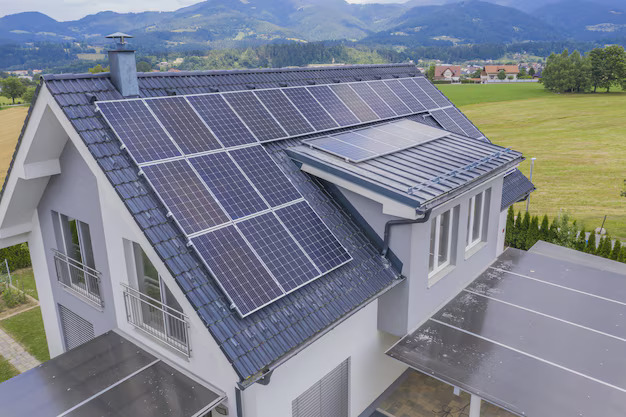
Solar panels are devices that capture sunlight and convert it into electricity, offering numerous advantages for homeowners. By utilizing Edmonton solar panels, households can decrease their dependence on conventional energy sources. This not only leads to cost savings on utility bills but also promotes environmental sustainability by reducing carbon emissions. Additionally, solar power systems require minimal maintenance once installed, making them a reliable and low-maintenance option for generating electricity.
Overview of Solar Panel Installation Costs
The initial cost of installing solar panels in Edmonton varies based on factors like system size, panel efficiency, and installation complexity. However, government incentives and financing options can significantly offset these costs, making solar more accessible than ever.
Is Solar Right for Your Home?
Before committing to solar panel installation, it’s essential to evaluate whether your home is suitable for solar energy.
Assessing Your Home’s Solar Potential
Evaluating Sunlight Exposure
Edmonton benefits from abundant sunlight year-round, positioning it as an excellent candidate for solar energy utilization. For optimal efficiency, homes with unobstructed southern exposure tend to yield the best results. This orientation ensures maximum exposure to the sun’s rays throughout the day.
Checking Roof Condition
The structural integrity of your roof is crucial for the successful installation and long-term performance of a solar panel company. Your roof must be in good condition and capable of supporting the weight of solar panels for many years. If your roof requires repairs or is nearing the end of its lifespan, addressing these issues before installing solar panels is highly recommended. By ensuring a sound roof, you can maximize the longevity and efficiency of your solar energy system.
Financial Considerations
Cost of Installation
The cost of installing solar panels upfront can appear daunting at first glance; however, various financial incentives can significantly reduce this expense.
Government Rebates and Incentives
Governments at both the federal and provincial levels provide rebates and tax incentives aimed at promoting the adoption of solar energy. These incentives are designed to offset a substantial portion of the installation costs, depending on eligibility criteria and the size of the solar panel company system. Federal government initiatives often include tax credits or rebates that can directly reduce the cost of purchasing solar panels. These incentives vary by region and may change over time based on government policy and budget allocation.
Financing Options for Solar Panels
Numerous financial institutions offer loans specifically tailored for solar projects, featuring favorable terms and conditions and interest rates. Additionally, some homeowners choose solar leases or power purchase agreements, which require minimal upfront investment or none at all. These options make solar panel installation more accessible and affordable, and helpful for a wider range of businesses.
Choosing the Right Solar Panels
Choosing the right solar panel company involves evaluating several key factors: efficiency, durability, and aesthetics. Efficiency refers to how well the panels convert sunlight into electricity, affecting their output and space requirements.
Types of Solar Panels
Monocrystalline vs. Polycrystalline
Monocrystalline panels are recognized for their higher efficiency and sleek appearance. They are made from single-crystal silicon and have a uniform dark look due to their higher silicon purity. Monocrystalline panels typically have a higher efficiency rate, meaning they can generate more electricity per square foot of panel area compared to polycrystalline panels. This efficiency, more advanced technology makes them particularly suitable for installations where space is limited or where maximum power output is desired.
Polycrystalline panels, on the other hand, are made from multiple silicon crystals and have a speckled blue appearance. They are generally less expensive to produce than monocrystalline panels because of the simpler manufacturing process. Polycrystalline panels are a cost-effective option and are often used in large-scale solar installations where space is not a limiting factor. They are slightly less efficient than monocrystalline panels but remain a popular choice for many solar projects.
Thin-Film Solar Panels
Thin-film solar panels are made by depositing one or more thin layers of photovoltaic material onto a substrate such as glass, metal, or plastic. They are lighter in weight and more flexible compared to crystalline silicon panels, which makes them suitable for unconventional installation sites or roofs with limited weight-bearing capacity. Thin-film panels have a lower efficiency rate compared to crystalline silicon panels, but their flexibility allows them to be used in applications where rigid panels cannot be easily installed. They are often used in large-scale solar farms, as well as for residential and commercial rooftop installations where flexibility and ease of installation are advantageous.
Maximizing Energy Efficiency
Maximizing energy efficiency in your home involves integrating with a solar panel company and other measures aimed at reducing energy consumption. By combining these strategies, you can significantly lower your overall energy usage and environmental footprint.
Incorporating Solar with Home Energy Audits
Upgrading to Energy-Efficient Appliances
Replacing outdated appliances with energy-efficient models complements the benefits of a solar panel system. Energy-efficient appliances consume less electricity, which aligns with reducing overall energy demand in your home. This not only maximizes the savings from your solar investment but also contributes to a greener environment.
Insulating and Sealing Your Home
Proper insulation and sealing play crucial roles in maintaining comfortable indoor temperatures throughout the year. Effective insulation minimizes heat loss during winter and keeps your home cooler in summer, reducing the strain on heating and cooling systems. This, in turn, lowers your energy bills and enhances the overall efficiency of your home alongside solar energy integration.
Conclusion
Investing in solar panels for your Edmonton home is not just about saving money on electricity bills; it’s a commitment to sustainability and a smart decision. By maximizing your home’s value with solar panels, you contribute to a cleaner environment while enhancing your property’s appeal in the real estate market.
Frequently Asked Questions
How much do solar panels typically increase home value in Edmonton?
Installing solar panels can potentially increase home value by up to 4% in Edmonton, depending on various factors such as system size and local market conditions.
Are there any tax incentives for installing solar panels in Edmonton?
Yes, homeowners in Edmonton can benefit from federal and provincial tax incentives, including rebates and tax credits, which significantly reduce the initial cost of installation.
Do I need to replace my roof before installing solar panels?
It’s recommended to have a roof in good condition before installing solar panels. Choosing the right solar panel installations. If your roof needs replacement soon, it’s wise to do it before installing solar to avoid future complications.
How long do solar panels typically last in Edmonton’s climate?
Solar panels are designed to last 25 years or more. They are durable and can withstand Edmonton’s climate conditions, including cold winters and hot summers.
Can solar panels power my entire home in Edmonton?
With the right size and configuration, solar panels can indeed cover most or all of your home’s electricity needs in Edmonton, especially during sunny periods.