

Table of Contents
- Understanding Invisalign Clear Aligner Treatment3wwzs4
- Major Benefits of Invisalign for Smile Alignment
- Comfortable and Customized Tooth Movement
- Personalized Digital Treatment Planning
- Who May Be a Suitable Candidate for Invisalign?
- Follow the Recommended Daily Wear Schedule
- Understanding Treatment Duration and Long-Term Results
- Conclusion
A healthy, well-aligned smile contributes to both oral function and personal confidence. However, crowded teeth, noticeable gaps, and certain bite irregularities may affect how people feel about their appearance. Misaligned teeth can also create areas that are difficult to clean, potentially increasing the risk of plaque accumulation and other dental concerns. Modern orthodontic treatment offers several ways to address these problems.
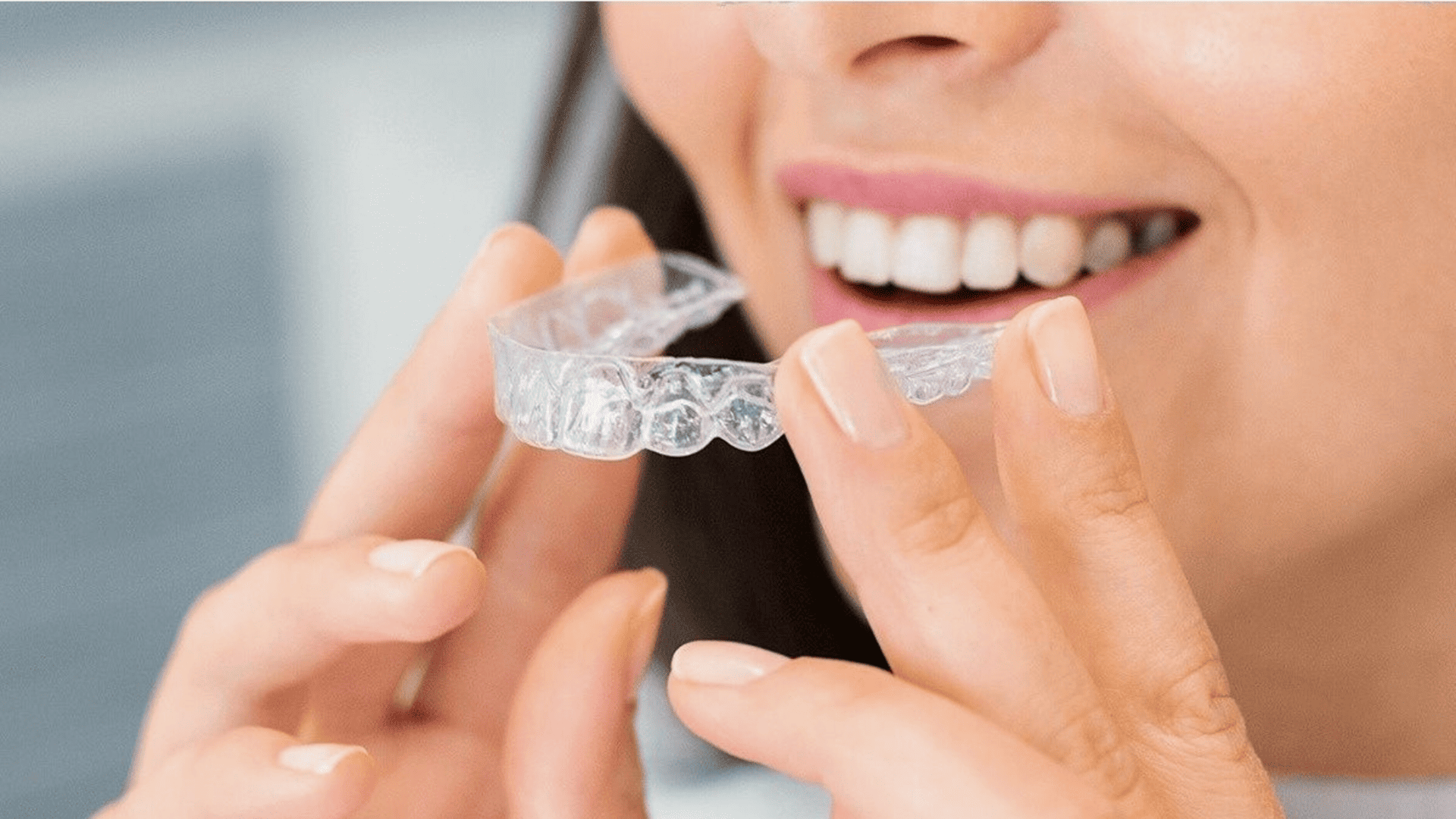
Clear aligner therapy has become an established option for people who want to straighten their teeth without conventional metal braces. Invisalign uses a series of custom-made, removable aligners that apply controlled pressure to gradually move teeth into planned positions. The transparent trays are made to fit closely over the teeth, offering a less noticeable appearance during everyday activities.
For individuals considering orthodontic improvements, Invisalign Agoura Hills treatment may provide a convenient approach to correcting certain alignment concerns. Understanding the benefits, treatment requirements, daily responsibilities, and possible limitations helps patients make informed decisions. A comprehensive dental evaluation is important for determining whether clear aligner therapy is suitable for individual needs.
Understanding Invisalign Clear Aligner Treatment3wwzs4
Invisalign is an orthodontic treatment system that uses a customized series of clear plastic aligners to reposition teeth gradually. Each aligner is created according to a dentist’s treatment plan and intended to produce controlled tooth movement.
Unlike traditional fixed braces, clear aligners can be removed for meals, oral hygiene, and certain activities. However, successful treatment requires consistent wear, adherence to professional guidance, and following the recommended treatment schedule.
Common Alignment Concerns Treated With Clear Aligners
Clear aligner therapy may be recommended for several orthodontic conditions, including:
- Mild to moderate crowding
- Small or moderate gaps between teeth
- Certain overbite and underbite problems
- Some crossbite conditions
- Teeth that have shifted after previous orthodontic treatment
Not every alignment problem can be corrected with aligners alone. Severe bite irregularities, complex tooth movements, and certain jaw alignment concerns may require alternative orthodontic approaches.
Major Benefits of Invisalign for Smile Alignment
Clear aligner treatment offers several potential advantages for patients seeking orthodontic care. These benefits involve appearance, convenience, dental hygiene, and everyday comfort.
Discreet Appearance During Daily Activities
One of the most recognized advantages of clear aligners is their nearly transparent appearance. Because the trays fit closely over the teeth, they are generally less noticeable than traditional metal brackets and wires.
This feature may appeal to working professionals, college students, and adults who prefer a subtle orthodontic option during meetings, social events, and photographs. Although attachments or other treatment components may be visible, clear aligners can provide a less prominent appearance than conventional braces.
Convenient Eating and Oral Hygiene
Removable aligners allow patients to eat without fixed orthodontic brackets or wires interfering with food choices. Aligners should generally be removed before meals and when drinking beverages other than plain water. Patients can also brush and floss without navigating around permanently attached orthodontic appliances. This convenience may support good oral hygiene, provided patients consistently clean their teeth and aligners as directed.
Comfortable and Customized Tooth Movement
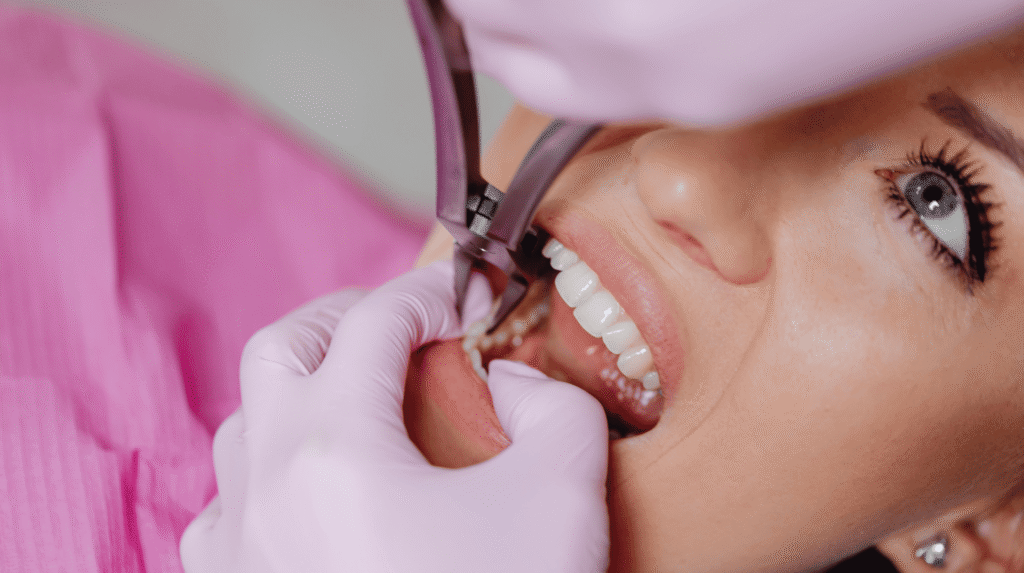
Invisalign aligners are manufactured to fit the patient’s teeth and follow a personalized movement plan. Their smooth plastic surfaces avoid some of the irritation associated with metal brackets and wires. However, patients may still experience temporary pressure, soreness, or discomfort when beginning treatment or changing to a new aligner.
Such sensations are commonly associated with orthodontic tooth movement, but persistent pain should be discussed with the treating dentist. For individuals comparing services from an Invisalign dentist in Agoura Hills, a personalized evaluation is more valuable than choosing treatment based solely on promotional offers or estimated results.
Initial Orthodontic Consultation
Treatment begins with an examination of the teeth, gums, and bite. The dentist assesses crowding, spacing, dental restorations, and overall oral health. Digital scans, photographs, and dental X-rays may be used to develop a treatment plan. Patients should also discuss their treatment goals, expectations, and ability to follow the recommended aligner-wearing schedule.
Personalized Digital Treatment Planning
Digital orthodontic planning helps the dentist evaluate proposed tooth movements and estimate the sequence of aligners required. The treatment plan may include small tooth-colored attachments that help the aligners apply appropriate forces. Some cases may require additional procedures or adjustments to achieve the planned alignment. Digital simulations can illustrate treatment goals, but they do not guarantee an exact final result.
Regular Monitoring and Aligner Changes
Patients progress through a prescribed series of aligners as their teeth gradually move. Regular appointments allow the dentist to evaluate tooth movement, check aligner fit, and make necessary treatment adjustments. Patients should follow their prescribed aligner schedule rather than changing trays independently.
Who May Be a Suitable Candidate for Invisalign?
Clear aligner suitability depends on the complexity of the orthodontic problem, dental health, and patient cooperation. Adults and teenagers with healthy teeth and gums may be candidates for treatment. However, conditions such as untreated cavities or gum disease generally require attention before orthodontic movement begins.
Importance of Choosing an Experienced Dental Professional
When choosing an experienced local Invisalign dentist near you, patients should consider the provider’s qualifications, orthodontic experience, diagnostic methods, and approach to treatment monitoring. A qualified professional should explain expected benefits, possible limitations, alternative treatments, and estimated treatment duration.

Explore clear aligner options at Agoura Advanced Dentistry. Call (818) 874-3533 to book a consultation.
Follow the Recommended Daily Wear Schedule
Invisalign aligners are generally prescribed for approximately 20–22 hours of daily wear. They are typically removed only for eating, drinking anything other than water, and cleaning the teeth. Wearing aligners for fewer hours than recommended may delay treatment or interfere with planned tooth movement.
Clean Aligners and Teeth Regularly
Patients should clean their aligners according to their dental provider’s instructions and avoid hot water that could distort the plastic. Brushing and flossing before reinserting aligners help reduce trapped food particles and plaque accumulation. Regular dental examinations also remain important during orthodontic treatment.
Understanding Treatment Duration and Long-Term Results
Invisalign treatment length varies according to the complexity of the alignment problem, the amount of movement required, and patient cooperation. Some cases may be completed within several months, while more complex treatment can take considerably longer.
After active orthodontic treatment, retainers are typically necessary to help prevent teeth from shifting toward their previous positions. Long-term stability depends on consistent retainer use and ongoing dental care.
Clear aligner treatment requires more than simply wearing transparent trays. Accurate diagnosis, personalized tooth movement planning, and consistent daily wear are essential. Regular dental evaluations and proper retainer use also help maintain alignment and support long-term oral health.
Conclusion
Invisalign clear aligners offer a discreet and removable orthodontic treatment option for addressing certain spacing, crowding, and bite concerns. Their transparent appearance, convenience during meals, and accessibility for daily cleaning make them appealing to many patients.
However, effective treatment depends on accurate diagnosis, consistent aligner wear, professional monitoring, and realistic expectations. A comprehensive dental consultation can help determine whether clear aligner therapy is appropriate and identify the most suitable approach for achieving healthier dental alignment.
Frequently Asked Questions
Is Invisalign treatment as effective as traditional braces?
Invisalign can effectively treat many mild to moderate orthodontic problems. However, traditional braces may be more suitable for complex tooth movements or severe bite irregularities. A dental examination helps determine the appropriate treatment.
How long does Invisalign treatment usually take?
Treatment duration varies according to individual alignment concerns and the amount of tooth movement required. Some patients complete treatment within several months, while others need a year or longer. Consistent aligner wear helps keep treatment on schedule.
Can patients eat normally while using Invisalign aligners?
Yes. Patients remove their aligners before eating, allowing them to enjoy their usual meals without fixed brackets or wires. Teeth should be cleaned before reinserting the aligners to reduce plaque accumulation and protect oral health.
Does Invisalign treatment cause discomfort?
Patients may experience mild pressure or temporary soreness when starting treatment or switching aligners. This usually improves as the teeth adjust. Persistent or significant discomfort should be evaluated by the treating dental professional.
Do teeth stay straight permanently after Invisalign treatment?
Teeth can shift after orthodontic treatment, regardless of the method used. Retainers help maintain their corrected positions. Patients should follow their dentist’s instructions regarding retainer wear and attend regular dental checkups.