

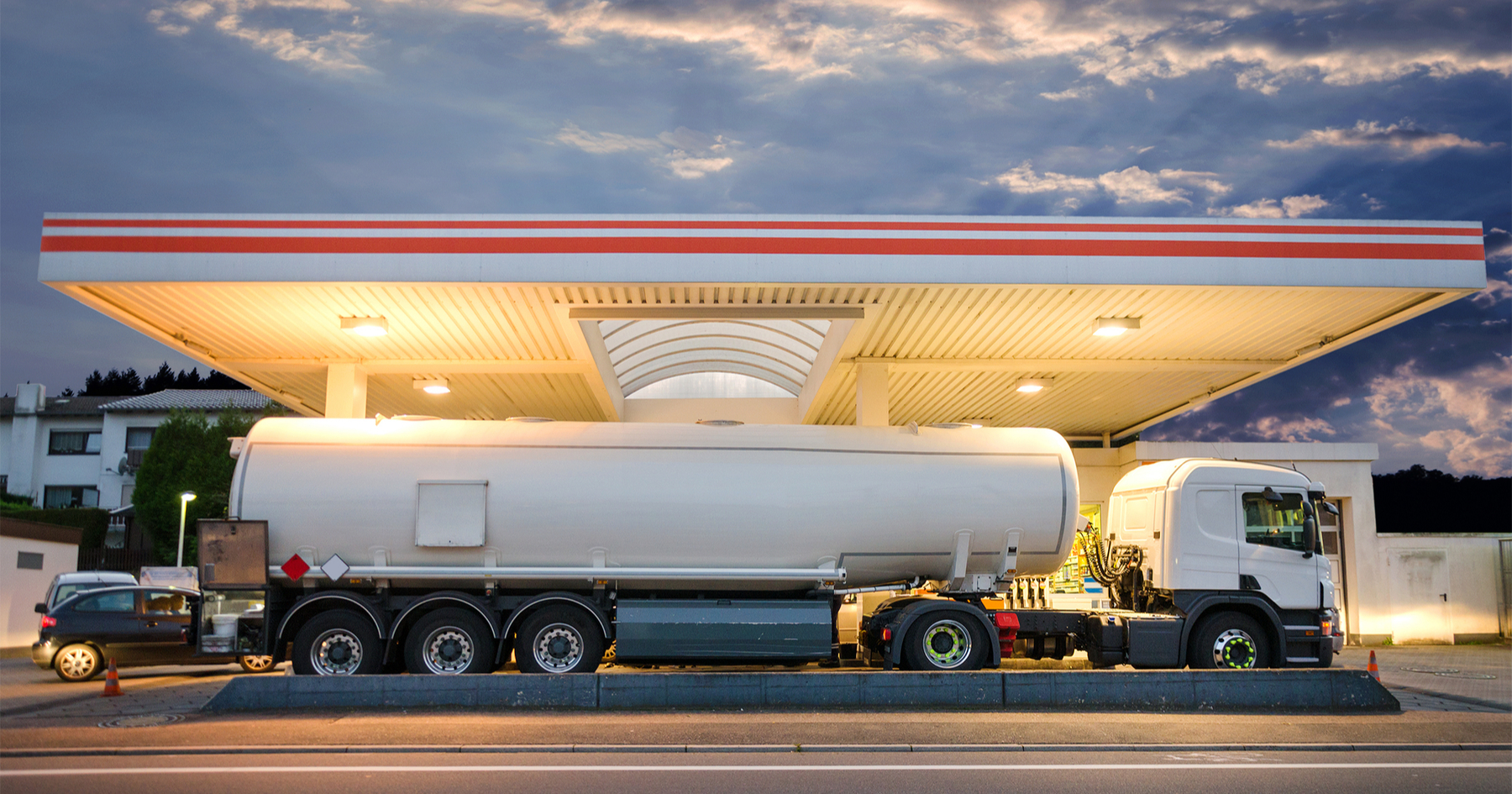
Fuel is the silent engine behind every logistics fleet, every busy construction site, every power-hungry facility. And yet, for too many businesses, fuel management remains an outdated process filled with inefficiencies, manual tracking, and last-minute refills.
Table of Contents
Enter the era of bulk fuel delivery—a smarter, leaner, and more strategic approach to fueling operations. In this model, fuel isn’t just a consumable. It’s a managed resource, delivered with precision and planned like any other critical supply.
This shift isn’t just about convenience. It’s about reclaiming control over your operations.
Why Bulk Fuel Delivery Is More Than Just Logistics
At first glance, bulk fuel delivery seems like a simple service: fuel brought directly to your tank, vehicle, or equipment. But for modern businesses, it’s become a key part of operational intelligence.
Companies that once scrambled to coordinate fuel runs or stockpile at uncertain prices are now adopting bulk fueling models that are agile, automated, and cost-efficient.
They’re not just buying fuel—they’re building fuel strategies.
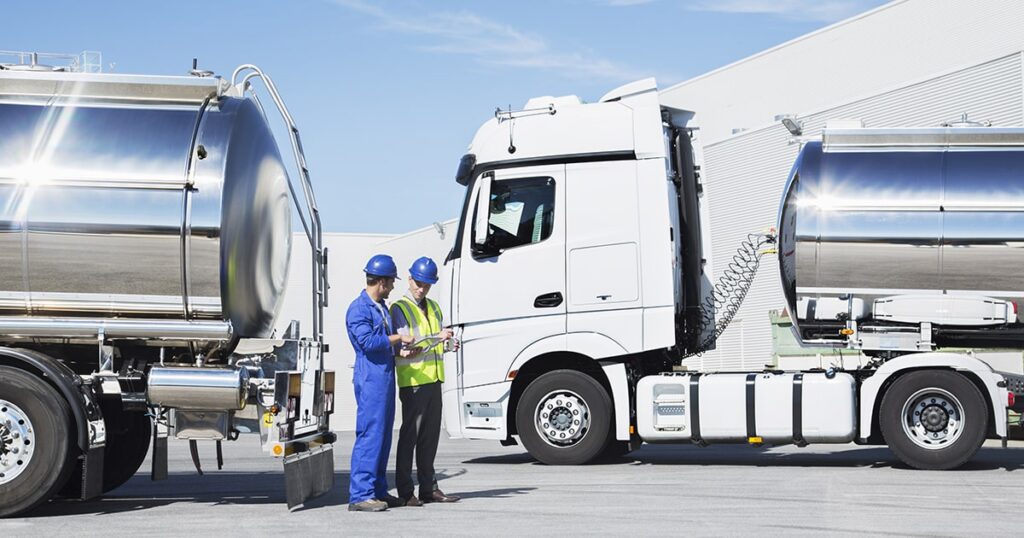
Key Advantages of Bulk Fueling
Let’s break down how bulk fuel delivery improves not just how fuel arrives, but how your business runs.
1. Strategic Purchasing Power
One of the biggest upsides to bulk fuel is price stability. Instead of buying in small amounts at fluctuating pump rates, businesses lock in bulk pricing or schedule deliveries during favorable market conditions. That means better forecasting, more accurate budgets, and fewer surprises.
Some providers even offer fuel hedging tools to protect against market volatility.
2. Operational Continuity in Unpredictable Conditions
Imagine a storm, supply chain disruption, or geopolitical issue shuts down public fuel stations. Businesses with a bulk diesel fuel strategy don’t panic—they continue operating. With on-site fuel, backup generators, or direct-to-vehicle delivery, they stay productive while others sit idle.
In mission-critical industries like healthcare, construction, and transportation, this reliability is priceless.
3. Granular Tracking and Reporting
Fueling isn’t just about volume—it’s about visibility. Leading bulk fuel delivery providers now include real-time dashboards, usage analytics, and digital receipts. Businesses can track fuel by site, vehicle, or project—down to the gallon.
This kind of detail enables:
- Fuel fraud prevention
- Project-level cost tracking
- ESG and sustainability reporting
- Smarter reordering schedules
4. Fewer Delays, More Productivity
Every fuel station trip costs more than just gas—it costs labor, time, and lost momentum. Bulk diesel delivery puts fuel exactly where it’s needed, whether it’s a job site, farm, or warehouse.
Crews stay on-task. Fleets don’t detour. Generators stay live.

Who Needs Bulk Delivery the Most?
While any business using fuel can benefit, some sectors see the biggest gains:
Construction & Infrastructure Projects
Remote sites, heavy equipment, and tight schedules make on-site bulk diesel a game-changer. Nighttime deliveries or automated refills keep projects moving without downtime.
Fleets and Transportation
Fleet-based companies use bulk fueling to fill multiple vehicles at once or fuel trucks at centralized yards. This reduces time off-road and improves driver efficiency.
Agriculture and Farming
From tractors to irrigation pumps, farmers depend on constant access to fuel. Scheduled bulk diesel fuel delivery supports seasonal surges and keeps rural operations stable.
Energy, Mining, and Heavy Industry
Operations in off-grid areas rely on bulk diesel delivery to power equipment, lighting, and backup systems. Delivery delays can lead to millions in downtime.

Tech-Enabled Fuel Management
What sets modern bulk fuel delivery apart is technology. Providers now offer full platforms that integrate with your operations.
Features often include:
- IoT tank sensors that track fuel levels 24/7
- Auto-scheduling based on real-time usage
- Mobile apps for site managers to request or approve deliveries
- Telematics integration for fleet-level fuel consumption data
- Compliance reporting tied to environmental benchmarks
This means fuel isn’t just delivered. It’s managed intelligently, with transparency, automation, and accountability.
The Environmental Impact of Smarter Fueling
You may not immediately associate fuel delivery with sustainability, but the connection is real. Optimized bulk fueling helps reduce:
- Emissions from fuel station trips
- Spillage and waste from manual handling
- Unnecessary deliveries through better planning
- Paper trails by digitizing fuel records
Some suppliers also offer renewable fuels or biodiesel blends in bulk as part of their service offerings, helping businesses transition to cleaner alternatives without sacrificing efficiency.
Frequently Asked Questions
How do I know if bulk fuel delivery is right for my business?
If your operations rely on consistent fuel usage across vehicles, machines, or sites, and you face inefficiencies, emergencies or delays in refueling, then bulk fuel delivery is likely a smart move.
Can I receive deliveries outside of regular business hours?
Yes. Many providers offer after-hours or even 24/7 delivery options, especially for construction, emergency response, or remote operations.
What safety measures are in place during delivery?
Reputable providers adhere to strict DOT and EPA standards. Drivers are trained in hazardous material handling, and vehicles are equipped with safety systems to prevent leaks and contamination.
What’s the difference between bulk diesel fuel and regular diesel?
There’s no chemical difference—it’s the method of delivery that makes it “bulk.” You’re buying larger volumes, typically for on-site storage or large-scale consumption.
Can I track deliveries and usage digitally?
Absolutely. Most providers offer digital portals, real-time delivery tracking, and integration with fleet management systems or accounting platforms.

Conclusion
Fuel is no longer just a commodity—it’s a strategic resource. With bulk fuel delivery, companies gain more than convenience. They gain a system built for scale, speed, and precision.
As industries modernize and demand tighter control over every operational input, bulk fueling stands out as a foundational shift—not just in how we get fuel, but in how we manage it.
Moreover, as businesses face growing pressure to cut costs, improve sustainability, and reduce downtime, the ability to automate, analyze, and scale fuel operations will become a defining factor in long-term competitiveness. Bulk delivery solutions are not simply about logistics—they are the fuel behind smarter business transformation.